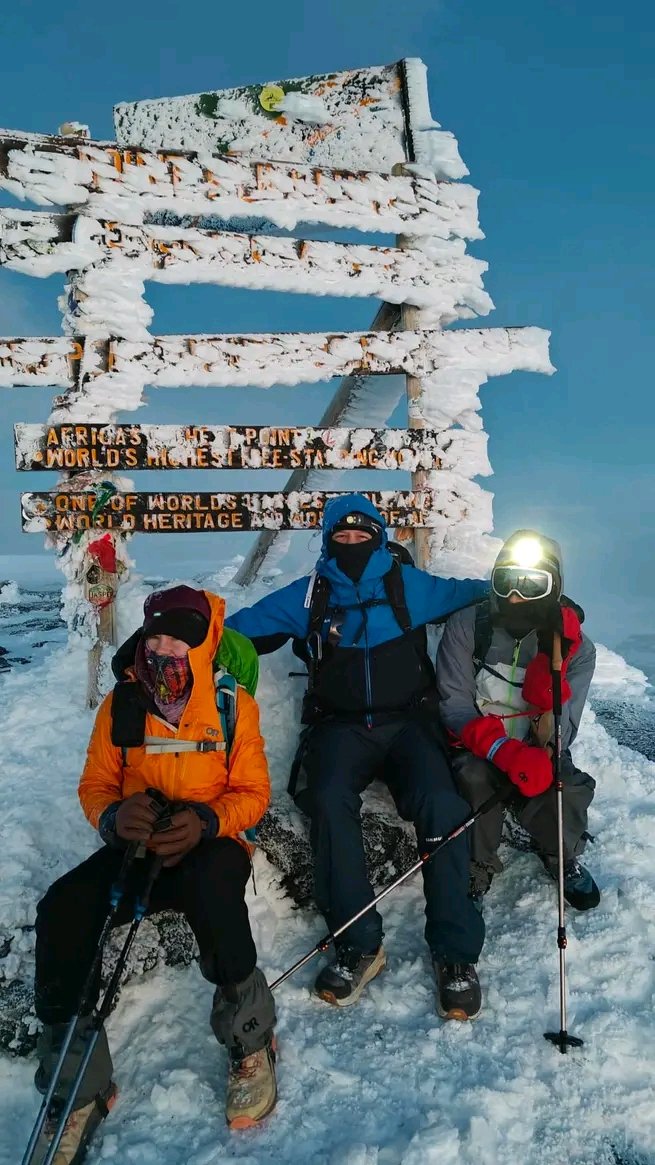
The Best Kilimanjaro 7-Day Machame Route: Mount Kilimanjaro is one of Africa’s most remarkable natural wonders and a dream destination for adventure travellers from around the world. Located in northern Tanzania, this magnificent mountain rises to 5,895 metres above sea level at Uhuru Peak, the highest point in Africa. Its impressive height, beautiful landscapes, changing climate zones and unforgettable summit views make climbing Kilimanjaro an extraordinary experience.
What makes Kilimanjaro special is the variety of environments found along its slopes. The journey begins in a beautiful tropical rainforest, where tall trees, green vegetation and the sounds of birds create a refreshing atmosphere. As climbers gain altitude, the forest gradually gives way to open moorland, rocky landscapes, alpine desert and, finally, the cold mountain environment near the summit. Every stage offers something different, making the climb feel like a journey through several natural worlds.
Reaching the summit is not simply about standing on top of a mountain. It is about experiencing the challenge, appreciating the natural beauty of Tanzania and discovering what you can achieve through determination, preparation and patience. The sunrise from Uhuru Peak is particularly memorable. After several days of walking, watching the first sunlight spread across the African landscape can become one of the most rewarding moments of your life.
For travellers planning their adventure in 2027 or 2028, the seven-day Machame Route offers an excellent opportunity to experience Kilimanjaro at a comfortable pace compared with shorter climbing schedules. It combines spectacular scenery, varied terrain and an additional acclimatisation day that gives the body more time to adjust to increasing altitude.
Why Choose The Best Kilimanjaro 7-Day Machame Route?
The Machame Route is among the most popular climbing routes on Mount Kilimanjaro. Often called the Whiskey Route, it is known for its beautiful scenery, diverse landscapes and rewarding trekking experience.
The seven-day itinerary is particularly attractive because it allows climbers to spend more time on the mountain. Compared with the six-day option, the extra day provides additional time for acclimatisation and makes the overall journey less rushed. Although no itinerary can eliminate the risk of altitude sickness, allowing more time to adjust to altitude can improve the experience and support a safer approach to the climb.
Another reason travellers choose Machame is the route’s scenic variety. Instead of following the same trail up and down, climbers experience different landscapes during the ascent and descent. The journey includes the rainforest, Shira Plateau, Lava Tower area, Barranco Valley, Karanga Valley and the high-altitude camp at Barafu before the final attempt to reach Uhuru Peak.
The route is suitable for prepared hikers who are comfortable with several consecutive days of walking. However, it should not be considered an easy holiday. Some sections are steep, the summit night is physically demanding, and the high altitude can affect even experienced athletes. Good preparation, appropriate equipment, a steady walking pace and professional mountain support are important.
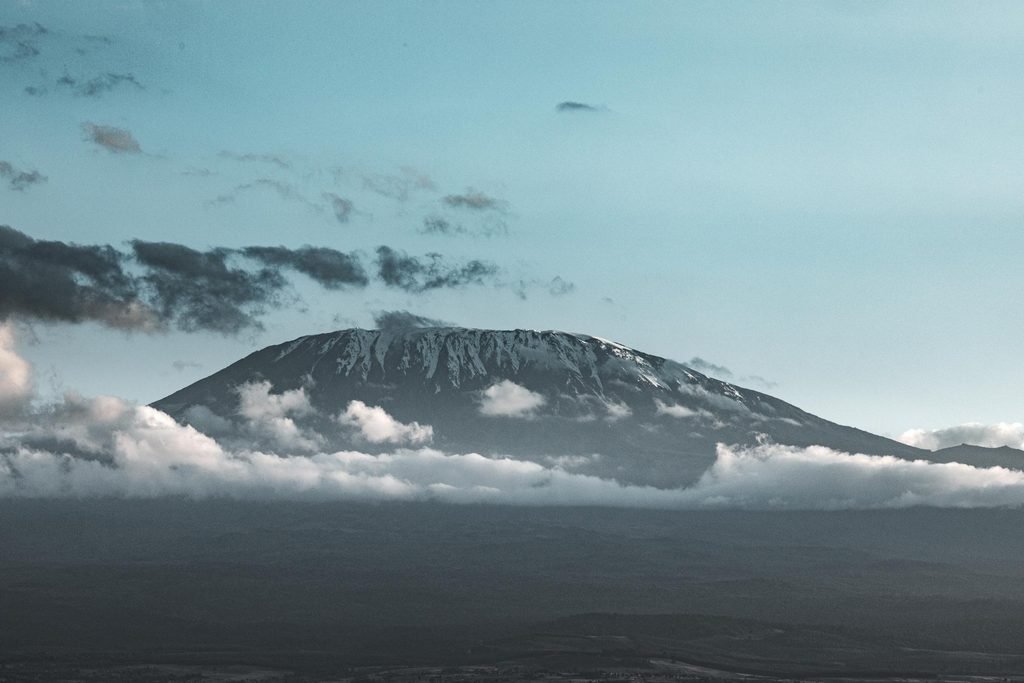
Overview of The Best Kilimanjaro 7-Day Machame Route: The Best Kilimanjaro 7-Day Machame Route
The seven-day Machame climb begins at Machame Gate, on the southern side of Mount Kilimanjaro, and follows a scenic route towards the summit. After reaching Uhuru Peak, climbers descend through the Mweka Route.
The itinerary is designed to provide a gradual journey through different mountain environments while including important acclimatisation opportunities.
Duration: 7 days on the mountain
Route: Machame Route
Highest point: Uhuru Peak, 5,895 metres
Starting point: Machame Gate
Descent route: Mweka Route
Accommodation: Mountain camping
Difficulty: Challenging
Recommended preparation: Regular hiking, walking and endurance training before departure
The actual pace, camp arrangements and daily walking times can vary depending on weather, trail conditions, group fitness and the mountain team’s assessment.
Detailed 7-Day Machame Route Itinerary

Day 1: Machame Gate to Machame Camp
Approximately 1,800m to 2,835m
Montane rainforest
Your Kilimanjaro adventure begins with a transfer to Machame Gate, where the mountain team completes the necessary registration and climbing arrangements. This is also an opportunity to meet your guides and support crew, check equipment and prepare for the first day on the trail.
Once the preparations are complete, you begin walking through the beautiful rainforest. This part of the mountain is rich in vegetation, with tall trees, moss-covered branches and a variety of plants growing along the trail. The atmosphere is often cool and humid, and the forest provides a peaceful introduction to the climb.
The trail gradually gains altitude, with some sections becoming steeper and occasionally muddy, particularly after rainfall. Taking your time is important. Your guide will encourage a comfortable walking pace so that you can conserve energy for the days ahead.
After several hours of trekking, you arrive at Machame Camp. The mountain crew prepares the campsite, and you have time to relax, enjoy a meal and receive information about the following day’s walk.

Day 2: Machame Camp to Shira Camp
Approximately 2,835m to 3,750m
Moorland
After breakfast, you leave the rainforest behind and continue towards the open moorland zone. The landscape becomes less densely vegetated, offering wider views of the surrounding mountain slopes and the changing scenery of Kilimanjaro.
The trail climbs through rocky paths and open terrain. As you gain altitude, you may notice that walking becomes more demanding. This is normal, as the air contains less available oxygen at higher elevations. Maintaining a slow and steady pace is essential.
During the journey, you can enjoy views of the mountain and, when weather conditions are clear, the surrounding landscape. Your guide will monitor the group’s progress and encourage regular hydration and suitable rest breaks.
By afternoon, you reach Shira Camp, located on the beautiful Shira Plateau. This area provides a different atmosphere from the forest and is known for its open views and dramatic mountain surroundings.
After settling into camp, take time to rest, eat well and prepare for the next stage of the climb.
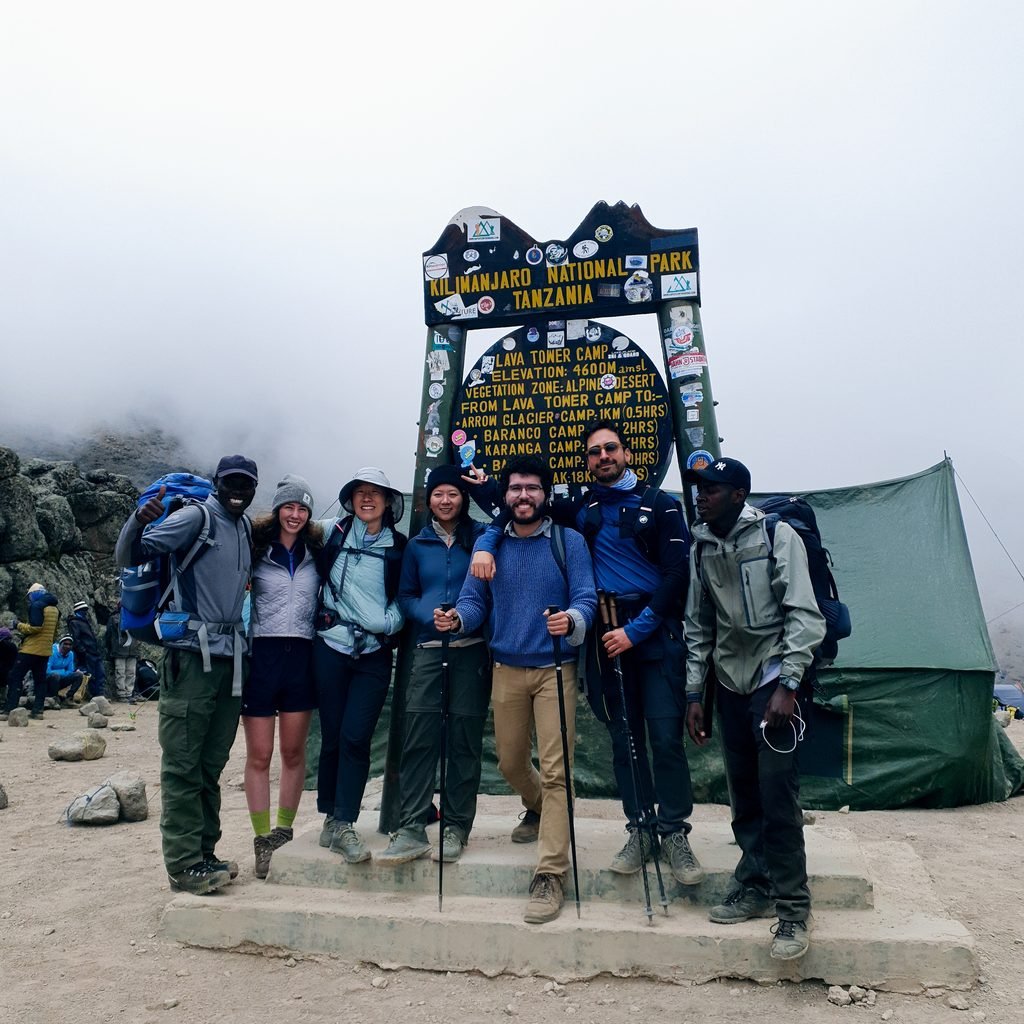
Day 3: Shira Camp to Lava Tower and Barranco Camp
Approximately 3,750m to 4,630m at Lava Tower, then descending to 3,960m at Barranco Camp
Alpine desert
The third day is an important part of the acclimatisation process. You leave Shira Camp and climb towards the Lava Tower area, gaining significant altitude before descending to Barranco Camp.
The landscape becomes increasingly rocky and dry, with fewer plants and more exposed mountain terrain. The route offers impressive views of Kilimanjaro’s higher slopes and gives climbers a closer look at the dramatic environment surrounding the upper mountain.
Reaching the Lava Tower area, at approximately 4,630 metres, is a major milestone. You may feel the effects of altitude more strongly here, so it is important to follow your guide’s instructions and avoid rushing.
After spending time at the high point, the trail descends towards Barranco Camp. This follows the important acclimatisation principle commonly described as “climb high, sleep low.” Although this approach can help the body adjust, it does not guarantee that altitude sickness will not occur.
Barranco Camp is located in a beautiful valley beneath the impressive Barranco Wall. The surrounding landscape is one of the most memorable sections of the Machame Route.
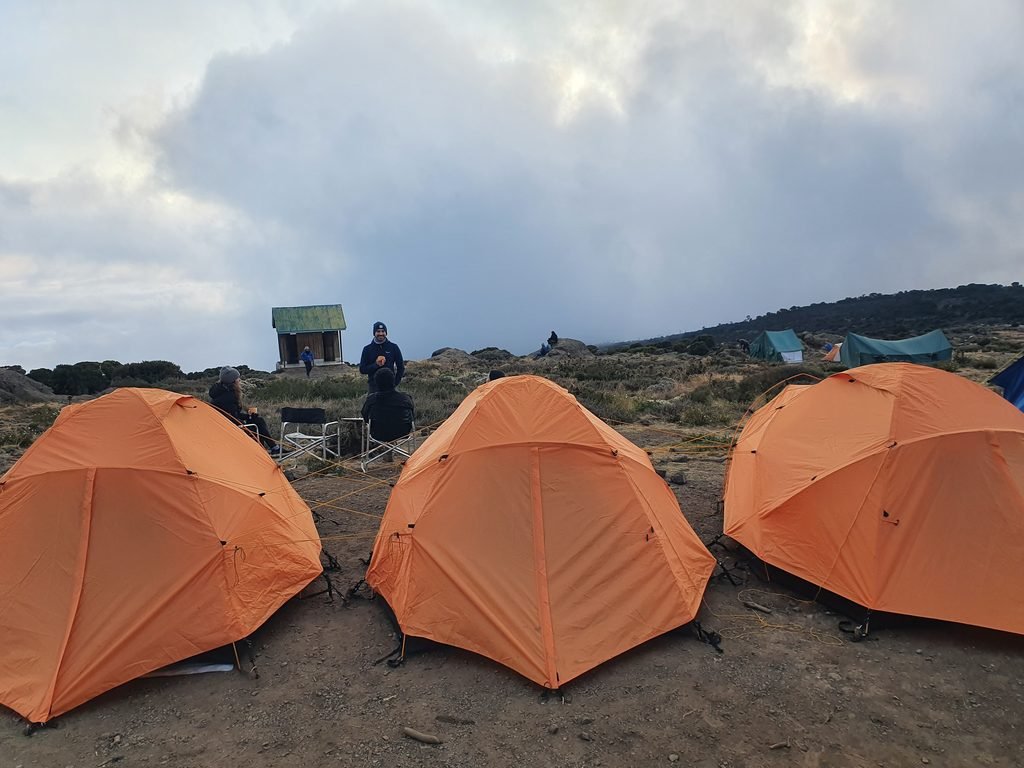
Day 4: Barranco Camp to Karanga Camp
Approximately 3,960m to 3,995m
Alpine desert
The fourth day begins with one of the most recognisable sections of the Machame Route: the Barranco Wall.
After breakfast, climbers approach the wall and begin the ascent. Although it looks steep from the campsite, most of the route involves careful scrambling and walking rather than technical rock climbing. Your guide will show you where to place your feet and how to move safely through the more challenging sections.
Reaching the top of Barranco Wall is a rewarding moment. The views across the surrounding valleys and mountain slopes are spectacular, and the experience gives climbers a real sense of progress.
The trail then continues through a series of ridges and valleys towards Karanga Camp. There are sections of ascent and descent, so a steady pace is important. Avoid using too much energy early in the day, as the climb is not yet complete.
When you arrive at Karanga Camp, you have time to rest, enjoy your meals and prepare for the next stage. This camp also provides another opportunity for your guide to assess how everyone is responding to the altitude.
Day 5: Karanga Camp to Barafu Camp
Approximately 3,995m to 4,673m
Alpine desert
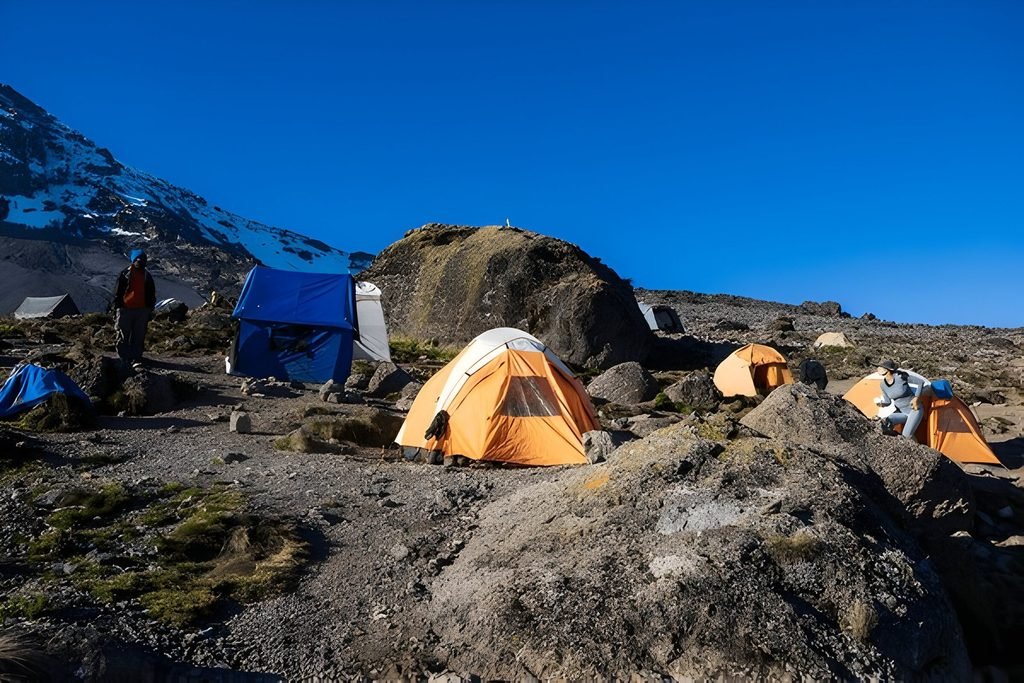
After breakfast, you continue towards Barafu Camp, the final base camp before the summit attempt.
The trail climbs through a dry and rocky landscape, with vegetation becoming increasingly limited. As you approach Barafu, the air becomes colder and thinner, and even relatively short sections of walking may require more effort.
Arriving at Barafu Camp is an important achievement. From here, climbers can see the challenging environment that surrounds the upper mountain. The camp is exposed, so it is important to keep warm, stay hydrated and follow the guide’s instructions.
You will normally have an early meal and receive a briefing about the summit attempt. Your guide will explain the expected departure time, the walking pace, the equipment needed and the safety procedures.
The night before the summit can be difficult because of the cold, altitude and excitement. Try to rest as much as possible, even if sleeping is not easy. Keep your warm clothing and essential equipment ready for the night climb.

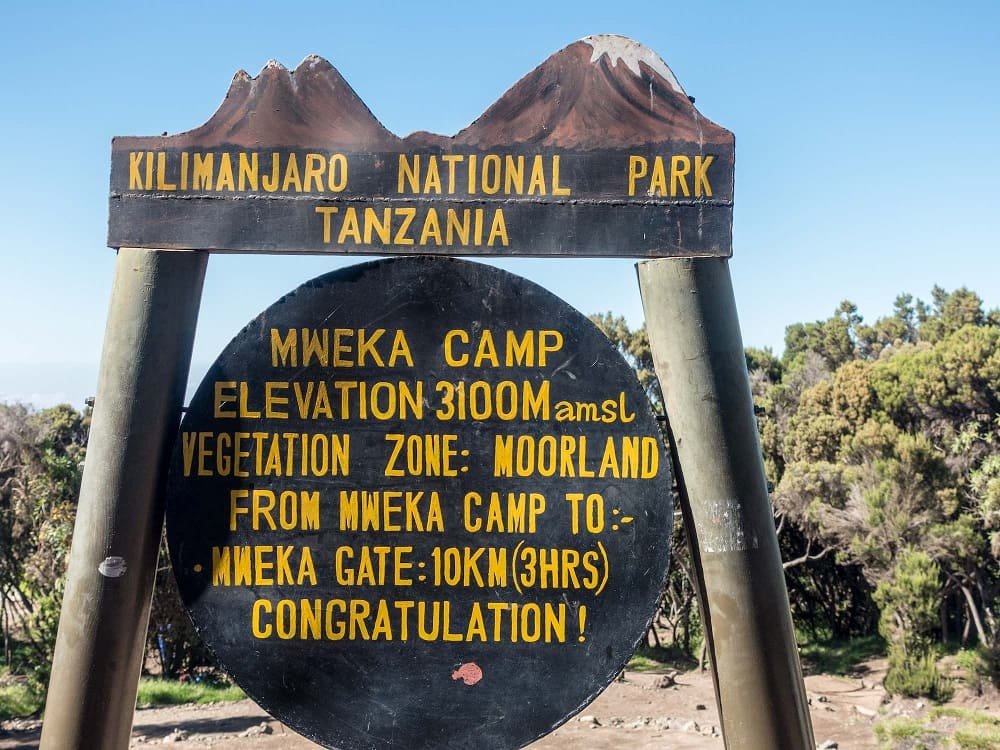
Day 6: Barafu Camp to Uhuru Peak and Descent to Mweka Camp
Approximately 4,673m to 5,895m, then descending to around 3,100m
Arctic summit zone and alpine terrain
Summit day is the most demanding and emotional part of the entire journey. Most climbers begin their final ascent around midnight, although the exact departure time depends on the mountain team’s plan and conditions.
The climb starts in darkness, with headlamps lighting the trail. The path is steep and physically demanding, and the cold can make the experience more challenging. Your guide will encourage a slow, controlled pace, allowing the group to conserve energy.
As the hours pass, you gradually approach Stella Point on the crater rim. Reaching this area is a major accomplishment, and the views around sunrise can be unforgettable when the weather allows.
From Stella Point, the trail continues towards Uhuru Peak, the highest point in Africa at 5,895 metres. Standing at the summit is a moment of pride and achievement. You have travelled through several climate zones and overcome a demanding high-altitude journey to reach this remarkable place.
After taking photographs and celebrating your achievement, you begin the descent. Descending requires concentration because tired legs, loose gravel and the high-altitude environment can make movement difficult.
You return to Barafu Camp for a short rest before continuing towards Mweka Camp. The descent is long, so it is important to follow your guide’s instructions and maintain a careful pace.
At Mweka Camp, you can finally rest after one of the most demanding days of your life.
Day 7: Mweka Camp to Mweka Gate
Approximately 3,100m to 1,640m
Rainforest
After breakfast, you begin the final descent through the rainforest towards Mweka Gate.
The atmosphere is often different from the upper mountain. The air becomes warmer, vegetation becomes thicker and the forest returns around the trail. Although your legs may feel tired after the summit attempt, reaching the gate marks the successful completion of your planned seven-day route.
At Mweka Gate, you complete the necessary exit procedures and receive your climbing recognition where applicable. You then meet your transfer team for the journey back to Moshi or Arusha, depending on your arrangements.
The climb may be over, but the memories of the mountain, the friendships formed along the trail and the experience of reaching Africa’s highest point will remain with you long after you leave Tanzania.
What Makes the Machame Route Special?
The Machame Route offers a combination of natural beauty, physical challenge and memorable mountain experiences. Its appeal comes from several important features.
1. Beautiful and changing landscapes
The route passes through rainforest, moorland, alpine desert and the high-altitude summit environment. These changes make every day different and give climbers an opportunity to appreciate Kilimanjaro’s natural diversity.
2. The famous Barranco Wall
The Barranco Wall is one of the most memorable parts of the climb. It provides an exciting trekking challenge and offers beautiful views from the upper sections.
3. The Lava Tower acclimatisation experience
The route passes through the Lava Tower area before descending to Barranco Camp. This high-altitude section supports the climb-high, sleep-low approach to acclimatisation.
4. A seven-day climbing schedule
The seven-day itinerary provides more time on the mountain than the shorter six-day version. The additional day can support a more gradual climbing experience, although individual responses to altitude differ.
5. The achievement of reaching Uhuru Peak
Standing at 5,895 metres is the highlight of the journey. The summit represents determination, preparation and the effort invested throughout the climb.
How Difficult Is the 7-Day Machame Route?
The seven-day Machame Route is challenging and requires good physical preparation. You do not need to be a professional mountaineer, but you should be comfortable walking for several hours on consecutive days and handling uneven terrain.
The main challenge is not only the distance covered each day. Altitude is a major factor, and it affects people differently. Some climbers may feel strong during the lower sections but experience headaches, nausea, tiredness or breathlessness as they climb higher.
The summit attempt is particularly demanding because it involves walking at night in cold conditions and at a very high altitude. Even physically fit travellers can struggle when the body does not adjust well to the reduced oxygen available at elevation.
Before travelling, prepare with regular walking, hill training, stair climbing and cardiovascular exercise. Longer hikes with a backpack can also help you become familiar with the physical demands of trekking.
Remember that reaching the summit is never guaranteed. Your health and safety must always come before reaching the top. If you develop concerning symptoms, tell your guide immediately and follow the mountain team’s medical and descent instructions.
Best Time to Climb Kilimanjaro in 2027–2028
Kilimanjaro can be climbed throughout the year, but weather conditions vary by season. Many travellers prefer the relatively drier periods because trails are often more manageable and visibility can be better.
January to March: These months are generally a good period for climbing. Conditions can be relatively favourable, although temperatures and weather vary with altitude.
June to October: This is another popular climbing period. The weather is often drier, and many travellers choose these months for their Kilimanjaro adventure.
November to December: The short rainy season may bring showers, although climbing is still possible. Conditions can change, so proper waterproof clothing is important.
April to May: These months generally experience the longer rainy season. Trails can become wetter and more challenging, and cloud cover may affect visibility.
For your 2027–2028 climb, choose dates based on your travel plans, weather preferences and the availability of your preferred group or private departure. No season guarantees perfect weather.
What to Pack for the 7-Day Machame Climb
Packing the right equipment is essential for comfort and safety on Kilimanjaro. Temperatures can change significantly as you move from the rainforest to the summit, so you need clothing suitable for both warm and extremely cold conditions.
Important items include:
- Waterproof hiking jacket and trousers.
- Insulated down or synthetic jacket.
- Warm fleece or mid-layer clothing.
- Thermal base layers.
- Comfortable hiking trousers.
- Moisture-wicking shirts.
- Warm gloves and an additional pair of gloves.
- Warm hat and sun hat.
- Neck gaiter or buff.
- Well-broken-in hiking boots.
- Comfortable camp shoes.
- Warm hiking socks.
- Headlamp with spare batteries.
- Sunglasses and sunscreen.
- Reusable water bottles or a hydration system suitable for cold conditions.
- Daypack and suitable duffel bag.
- Personal toiletries and basic first-aid items.
Your operator should provide a detailed packing list before departure. It is also important to discuss any personal medication or medical equipment with your healthcare professional before travelling.
Safety and Acclimatisation on Mount Kilimanjaro
Safety is one of the most important parts of any Kilimanjaro climb. The mountain’s altitude can affect climbers regardless of age, fitness or previous hiking experience.
The seven-day Machame itinerary includes an acclimatisation day through its route profile, particularly the ascent towards Lava Tower followed by the descent to Barranco Camp. However, acclimatisation is not a guarantee against altitude illness.
During the climb, drink fluids regularly, eat enough food and maintain a slow walking pace. Inform your guide if you experience a headache, dizziness, nausea, unusual fatigue, loss of appetite or difficulty sleeping. Severe symptoms, including confusion, difficulty walking straight or breathlessness at rest, require urgent attention and descent.
A responsible mountain team should monitor climbers, explain the safety procedures and make decisions based on conditions and individual health. Before booking, ask about guide-to-climber arrangements, altitude monitoring, emergency response procedures and evacuation support.
You should also arrange suitable travel insurance that specifically covers high-altitude trekking to at least 6,000 metres and emergency evacuation. Check the policy carefully before travelling.

Why Climb Kilimanjaro with EKO Tanzania Adventures?
Choosing the right local tour operator is an important part of planning your Kilimanjaro experience. A well-organised climb requires more than a good itinerary. It involves preparation, communication, experienced mountain leadership, suitable equipment and a team that understands the challenges of high-altitude trekking.
EKO Tanzania Adventures is a Tanzania-based tour company offering travel experiences in northern Tanzania, including Kilimanjaro climbing and wildlife safaris. Our aim is to help travellers plan a mountain adventure that reflects their travel dates, expectations, fitness level and budget.
When arranging your climb, our team can help you understand the seven-day Machame itinerary, prepare for the different mountain environments and identify the equipment you need. We can also explain the arrangements included in your selected package so that you know what to expect before arriving in Tanzania.
We believe that good communication makes a difference. Before confirming your booking, you should have a clear understanding of the itinerary, accommodation arrangements, meals, transfers, mountain crew support, park fees and safety procedures.
Whether you are travelling alone, with friends, as a couple or as part of a group, EKO Tanzania Adventures can help you discuss the most suitable arrangements for your 2027 or 2028 Kilimanjaro adventure.
What Is Included in a 7-Day Machame Route Package?
Package inclusions depend on the selected tour arrangement. Before booking, request a written list of services and confirm the details with your operator.
A typical organised Kilimanjaro climbing package may include:
- Kilimanjaro National Park fees and applicable camping fees.
- Professional mountain guides.
- Supporting mountain crew, according to the package arrangement.
- Meals during the climb.
- Drinking water arrangements during the trek.
- Mountain camping arrangements.
- Transfers to and from the mountain gate.
- Pre-climb briefing and equipment checks.
- Rescue arrangements required under the park’s regulations.
- Applicable taxes and fees.
Always confirm which items are included in your actual quotation. The exact package may differ depending on whether you choose a group climb or private climb and the accommodation arrangements before and after the trek.
What Is Not Included?
Items commonly excluded from a Kilimanjaro package may include:
- International flights to and from Tanzania.
- Tanzania visa fees, where applicable.
- Personal travel and high-altitude trekking insurance.
- Personal hiking equipment and clothing.
- Tips for guides and mountain crew.
- Personal expenses and optional activities.
- Accommodation before or after the climb, unless specified.
- Meals outside the climbing itinerary, unless specified.
- Any additional services not listed in the confirmed quotation.
Understanding these details before booking helps you plan your travel budget more accurately and avoid unexpected expenses.
Combine Your Kilimanjaro Climb with a Tanzania Safari
After completing the seven-day Machame Route, many travellers choose to explore Tanzania’s famous wildlife destinations. A safari is a wonderful way to continue your holiday and experience a different side of the country.
You can visit Tarangire National Park, known for its large elephant herds and impressive baobab trees. Serengeti National Park offers wide open plains and opportunities to see lions, elephants, giraffes, cheetahs and other wildlife. The Ngorongoro Crater is another remarkable destination, with a rich concentration of wildlife inside its dramatic volcanic landscape.
The best safari itinerary depends on your available time, travel budget and wildlife interests. You may choose a short three-day safari or extend your holiday with a longer journey through northern Tanzania.
You can also consider relaxing on the beautiful beaches of Zanzibar after your mountain climb and safari. This creates a memorable combination of adventure, wildlife and coastal relaxation.
Frequently Asked Questions About the 7-Day Machame Route
1. How long does the Machame Route take?
The Machame Route is commonly completed in six or seven days. The seven-day option includes an additional day that provides more time for acclimatisation and a less rushed itinerary.
2. Is the 7-Day Machame Route suitable for beginners?
It can be suitable for beginners who are physically prepared, understand the challenges of high altitude and are willing to follow their guides’ instructions. Previous mountain-climbing experience is helpful but not essential.
3. What is the highest point of the climb?
The highest point is Uhuru Peak, which stands at 5,895 metres above sea level. It is the highest point in Africa.
4. Is the Machame Route difficult?
Yes. It is a challenging trek involving several days of walking, steep sections, cold temperatures and high altitude. Good preparation and a suitable pace are important.
5. Do I need technical climbing experience?
No technical mountaineering skills are normally required for the standard Machame Route. However, you should be comfortable hiking on uneven and sometimes steep terrain. The Barranco Wall involves scrambling, and your guide will provide instructions.
6. Can I join a group climb in 2027 or 2028?
Group climbs may be available during both years, depending on the operator’s departure schedule and available spaces. Contact EKO Tanzania Adventures with your preferred travel dates to discuss current arrangements.
7. What happens if I cannot reach Uhuru Peak?
Your safety comes first. If your guide determines that continuing is unsafe, you may need to stop ascending and descend. Reaching the summit is not guaranteed, and a safe descent is more important than completing the climb.
8. How should I prepare for Kilimanjaro?
Begin preparing several weeks or months before your climb. Regular walking, hiking, stair climbing and cardiovascular exercise can help build endurance. Practise walking for longer periods and use the footwear and backpack you plan to take.
9. Is accommodation provided during the climb?
The standard Machame Route is a camping route. Confirm the tent arrangements, sleeping equipment and other camping services included in your selected package before booking.
10. Can I climb Kilimanjaro and go on safari afterwards?
Yes. You can arrange a safari after your climb, visiting destinations such as Tarangire, Serengeti and Ngorongoro. Your itinerary should include enough time to rest after the mountain trek.
Plan Your Best Kilimanjaro 7-Day Machame Route Adventure for 2027–2028
Climbing Mount Kilimanjaro is an experience that stays with you long after you return home. From walking beneath the rainforest canopy to crossing the open Shira Plateau, climbing the Barranco Wall and finally reaching the summit at Uhuru Peak, every stage brings a new challenge and a new reason to appreciate Tanzania’s natural beauty.
The seven-day Machame Route offers a rewarding way to experience this extraordinary mountain. Its varied landscapes, memorable camps and additional acclimatisation time make it an attractive option for travellers looking for a well-paced Kilimanjaro adventure.
If you are planning to climb in 2027 or 2028, EKO Tanzania Adventures is ready to help you discuss your travel arrangements and prepare for the journey.
Book Your 7-Day Kilimanjaro Machame Route Climb with EKO Tanzania Adventures.
Share your preferred travel dates, number of climbers, starting point in Moshi or Arusha, accommodation preferences, budget and previous hiking experience. Our team can help you review the itinerary and discuss a climbing arrangement that matches your expectations.
Your journey to the Roof of Africa begins with good preparation, the right support and a decision to take on one of Tanzania’s greatest adventures.